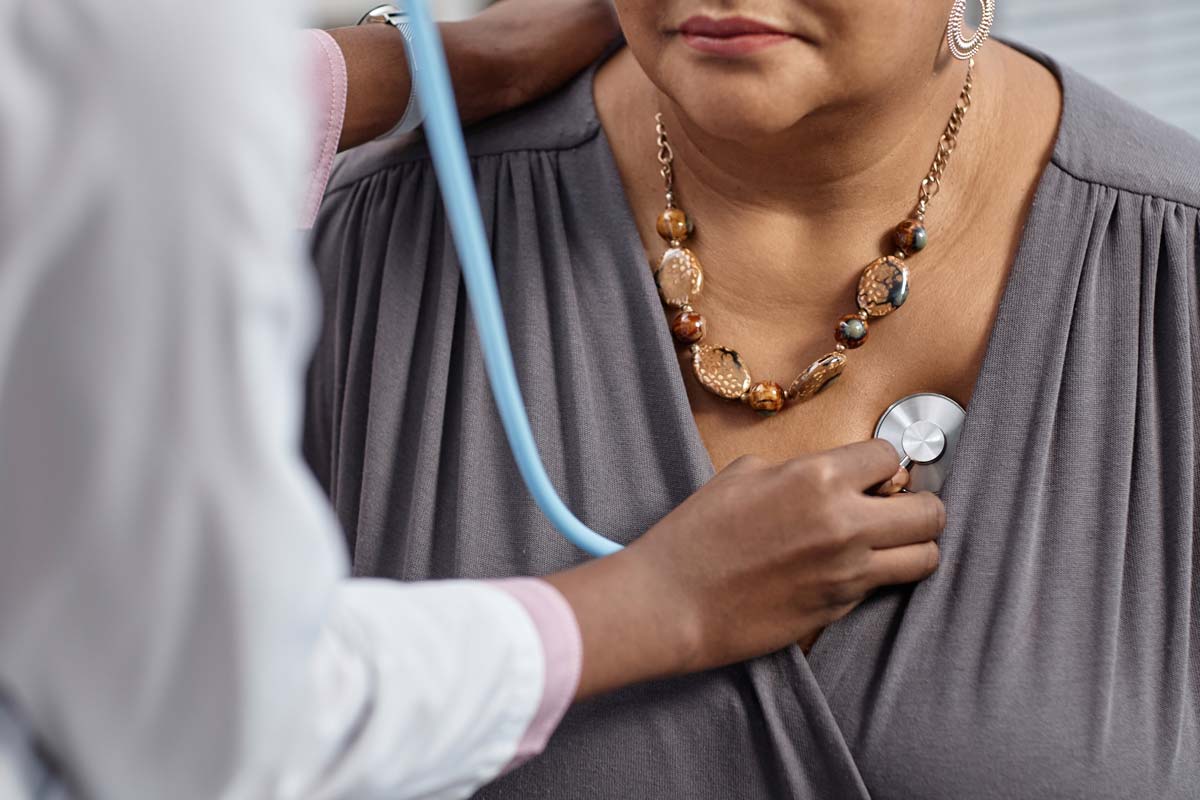

Arlington Free Clinic is committed to caring for the whole person, and nowhere is this more apparent than in our nurses’ care for patients who have cancer. The AFC nursing staff developed a Cancer Patient Checklist that they institute whenever a patient is diagnosed. The use of this tool ensures that we address the complicated needs of these patients in a holistic, coordinated manner.
Every patient who has cancer is assigned to a nurse who coordinates primary care follow-up and evaluates the patient’s social support system. The team at AFC assesses the patient’s transportation needs to make sure that the patient is able to attend all medical appointments. Cancer patients are also offered behavioral health counseling and support groups. And those who are undergoing chemotherapy receive both special nutritional counseling and assistance with obtaining a wig. Throughout the course of treatment, our staff helps coordinate lab work, radiologic studies, chemotherapy, surgery and medications. Once the active phase of treatment is completed, AFC continues to ensure that patients receive necessary follow up care. We are fortunate to have many community partners in this process: Virginia Hospital Center, Virginia Cancer Specialists, Food and Friends and Arlington Food Assistance Center (AFAC) all play important roles in the lives of AFC patients undergoing treatment for cancer.
Our goal is to look for practical ways to promote the health of all our patients. Thanks to board member Stephen Hugh who also volunteers at AFAC, we strengthened our relationship with this organization and have begun offering onsite cooking demonstrations in English, Spanish and Amharic. And as we move into flu season, AFC will turn its focus to disease prevention through immunizations. We have set an ambitious goal of surpassing last year’s flu vaccination rate. AFC also provides vaccinations for pneumonia (both PPSV23 and PCV13), shingles, hepatitis B and tetanus.
The terrific work AFC’s nursing and administrative staff does to support our patients through case management and a whole-patient approach is not always readily apparent, but it is critical to the effectiveness of medical care. If you haven’t had an opportunity to visit AFC in person, I’d encourage you to come to one of our Monthly Community Tours and learn more about what happens behind the scenes.
— Joan Bowes Ritter, MD Medical Director